Load matches the wall
The weight has to travel into something solid — studs or masonry. Treat hollow plasterboard as a surface, never a structure, and leave headroom below every rated maximum.
A falling television is heavy enough to cause serious injury. These are the checks worth slowing down for.
The weight has to travel into something solid — studs or masonry. Treat hollow plasterboard as a surface, never a structure, and leave headroom below every rated maximum.
Low-voltage HDMI can usually run in-wall. Mains power often can't without a rated outlet and, in many regions, a qualified electrician. If in doubt, keep power on the surface.
A mounted screen removes the tip-over risk of a stand, but only if the bracket is sound. Keep dangling cables short and out of reach of small hands.
Confirm it's level, then apply a firm, even downward pull. The bracket should not shift, and the wall should show no movement around the fixings.
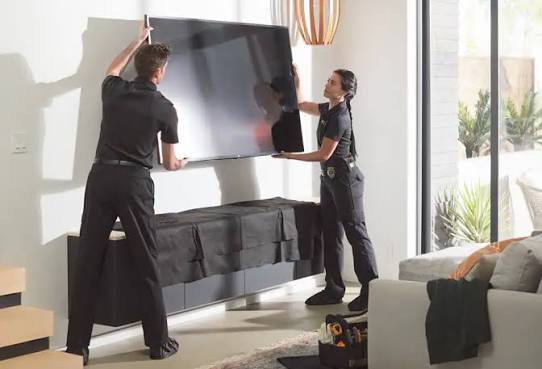
Know your limit
There is no prize for pushing through uncertainty. A professional install costs far less than repairing a wall, a floor, or a person.
MountPath is an educational resource, not a substitute for a site assessment by a qualified tradesperson. Walls, fixings, and local building and electrical regulations vary. Use this page to understand the risks and ask better questions — then make the call that keeps everyone safe.